UK
UK Canada
 Australia
 USA
USA New Zealand
 Ireland
 Switzerland
 Germany
 Italy
Italy Austria
 Dubai
Dubai Finland
 France
 Latvia
 Lithuania
 Luxembourg
 Malta
Malta Netherlands
 Poland
 Spain
Spain Europe

Study in Austria
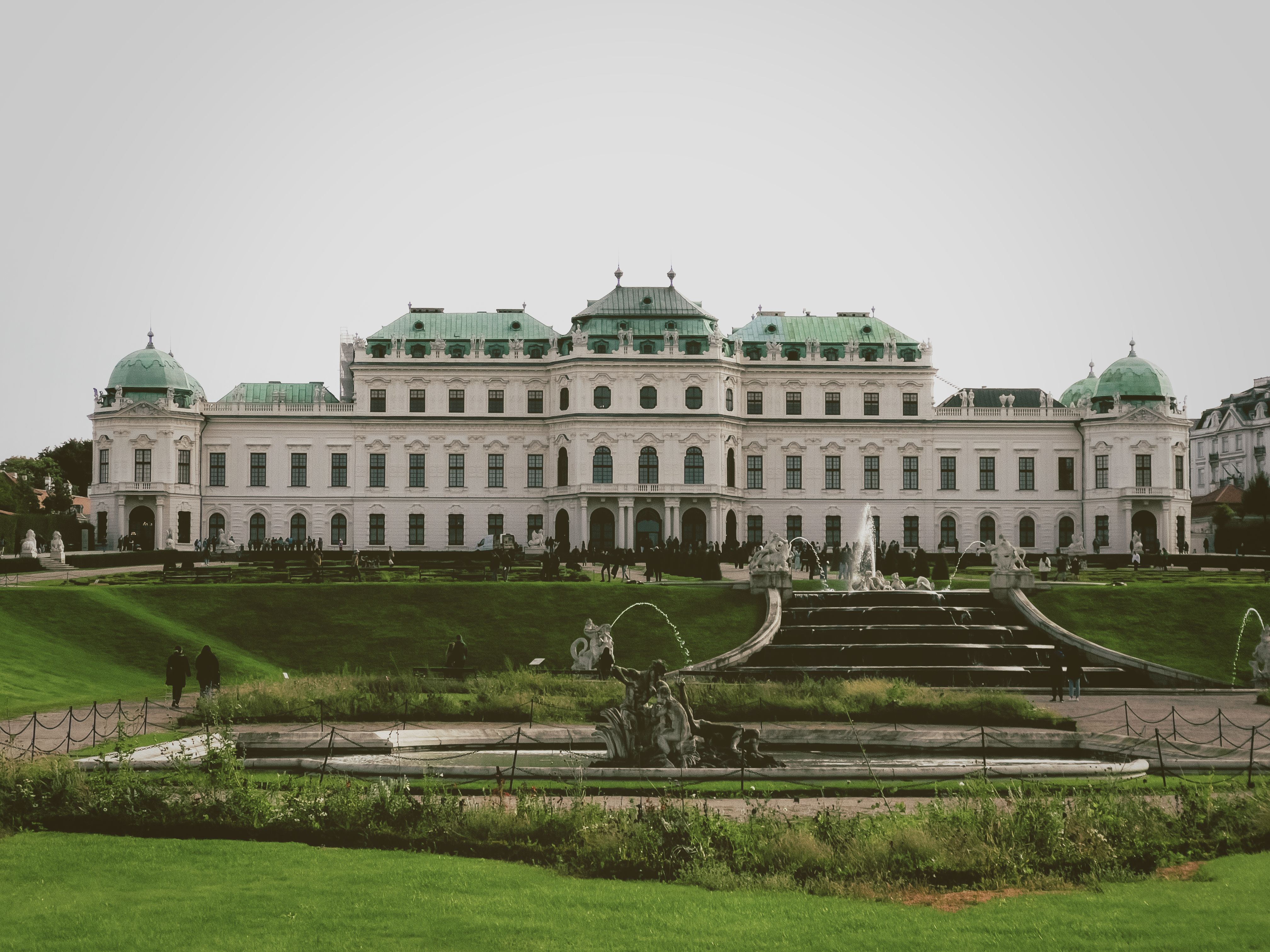
Austria is a landlocked country in Central Europe, known for its rich cultural heritage, historic cities, and breathtaking Alpine landscapes. With its high standard of living, excellent public services, and strong economy, Austria is also becoming a top destination for international students seeking quality education at affordable costs.
Key Facts
Everything you need to know at a glance.
Why Study in Study in Austria?
Discover the benefits of choosing this destination for your education.
High-Quality Education
Austrian universities rank among the best in Europe and the world.
Affordable Tuition Fees
Extremely low fees (€726.72/sem) at public universities for non-EU students.
Safe & Peaceful Environment
One of the safest countries with a very high standard of living.
Central European Location
Easy travel access to other European countries (Schengen Area).
Education System
Understanding the levels of education and grading system.
Levels of Education
Bachelor's
3 years (180 ECTS)Undergraduate program
Master's
1–2 years (60-120 ECTS)Advanced specialization
Doctorate/PhD
3–4 yearsResearch-focused, requires a Master's degree
Types of Institutions
Understanding the different types of universities available.
Public Universities
Offer a wide range of academic disciplines, research-oriented. Example: University of Vienna.
Universities of Applied Sciences (FH)
Focus on practical and career-oriented training. Often collaborate with industries.
Private Universities
Offer specialized programs, often in English. Usually have higher tuition fees.
University-Specific Scholarships
Financial aid opportunities for international students.
Ernst Mach Grant
€1,050/month + travel + health for Non-EU UG/PG/PhD students with academic excellence.
Helmut Veith Scholarship (TU Wien)
€6,000/year + full tuition waiver for female Computer Science students.
Erasmus+ Scholarships
€300–€600/month + travel for students enrolled in recognized exchange institutions.
University Merit Grants (e.g. Univ of Vienna)
€750–€1,500 based on high GPA and academic excellence.
MCI Innsbruck Scholarships
Up to 50% tuition waiver for UG/PG students based on merit or financial need.
Foundation of Austria
€1,050/month for Master/PhD research programs.
Major Intakes
Admission cycles for international students.
Winter Intake
Also called: Main Intake (October – January/February)The primary intake for most international programs. Widest range of courses, scholarships, and seats are available.
Summer Intake
Also called: Limited Programs (March – June)Only a limited number of programs offer summer intakes. Not all institutions or faculties participate.
Top Universities
Ranked by QS World University Rankings 2025.
| Rank (QS 2025) | University | UG Fees / Year | PG Fees / Year | Popular Courses |
|---|---|---|---|---|
| #130 | University of Vienna | €726.72/semester | €726.72/semester | Humanities, Law, Social Sciences |
| #180 | TU Wien (Vienna Univ. of Tech.) | €726.72/semester | €726.72/semester | Engineering, CS, Architecture |
| #260 | University of Innsbruck | €726.72/semester | €726.72/semester | Natural Sciences, Physics |
| #320 | University of Graz | €726.72/semester | €726.72/semester | Medicine, Business, Law |
| #410 | Johannes Kepler University Linz | €726.72/semester | €726.72/semester | Business, IT, Engineering |
| #550 | University of Salzburg | €726.72/semester | €726.72/semester | Psychology, Arts, Theology |
| #200 (Field) | Medical University of Vienna | ~€15,000/year | ~€15,000/year | Medicine |
| #601-650 | Vienna University of Economics and Business (WU) | €1,450-1,500/sem | €1,450-1,500/sem | MBA, Finance, Marketing |
| #501-510 | University of Klagenfurt | €726.72/semester | €726.72/semester | AI, Business |
| #601-650 | MCI Management Center Innsbruck | €6,000-€12,000/yr | €6,000-€12,000/yr | International Business, Tourism |
| - | University of Applied Sciences FH Joanneum | €1,500-€3,000/year | €1,500-€3,000/year | Media, Engineering |
| - | Salzburg UAS | €1,500-€3,000/year | €1,500-€3,000/year | Hospitality, IT |
Admission Requirements
What you need to apply to Austria Universities.
General Requirements
High school diploma (UG), Bachelor's (PG), Transcripts, CV, SOP, Passport, Language certificate.
Language Requirements
English-taught: IELTS/TOEFL. German-taught: ÖSD, TestDaF.
Winter Intake Timeline
Apply: March/April. Deadline: July 15. Apply for Visa: by mid-August.
Summer Intake Timeline
Apply: Oct/Nov. Deadline: Jan 15. Apply for Visa: by February.
Career Growth & Post-Study Work
High-demand sectors and Graduate Route Visa opportunities.
Red-White-Red Card – Job Seeker
After graduation, students can apply for a 12-month Job-Seeking Visa to find employment in Austria.
Engineering & Technology
- Growth: High demand for Mech, Elec, Civil
- Top Employers: Siemens, AVL, Voestalpine
- Salary Range: €35k – €50k
IT & Computer Science
- Growth: Software Devs, Cyber, AI
- Top Employers: Microsoft Austria, SAP, IBM
- Salary Range: €38k – €55k
Healthcare & Life Sciences
- Growth: Doctors, Nurses, Bio-researchers
- Top Employers: Vienna General Hospital, Novartis
- Salary Range: €30k – €100k
Finance & Business
- Growth: Analysts, Risk Managers
- Top Employers: Raiffeisen Bank, Erste Group
- Salary Range: €32k – €45k
Tourism & Hospitality
- Growth: Vienna, Salzburg, Innsbruck hubs
- Top Employers: Major Hotel Chains
- Salary Range: €25k – €40k
Permanent Residency (PR) Process
Austria provides a well-defined and structured transition from international student status to permanent residency and eventually citizenship.
From Student To Work Visa
Apply for a 12-month Job-Seeking Visa. Once you find a suitable job, apply for the Red-White-Red Card.
Red-White-Red Card (RWR Card)
Valid for 2 years. Requires a relevant job offer and minimum salary of ~€2,800/month.
RWR Card Plus
After holding the RWR Card and working for 21 months within a 24-month period. Gives full labor market access.
Permanent Residency (Daueraufenthalt – EU)
After 5 years of continuous legal residence + stable income + A2 level German.
Austrian Citizenship
Usually after 10 years. Early eligibility after 6 years with B2 German and strong integration. No dual citizenship.
Types of Austria Visas
A quick overview of visas for international students.
| Visa Type | Purpose | Work Allowed? | Can Apply for PR? |
|---|---|---|---|
| Visa D (National Visa) | Study prep, language (91–180 days) | No | Convert to residence permit |
| Residence Permit – Student | Full-time academic study | 20 hrs/week | 1 year (renewable) |
| Job-Seeker Visa | Post-study job search | Yes (seeking) | 12 months |
| Red-White-Red Card | Employment (employer-specific) | Full-time | 2 years |
| RWR Card Plus | Open labor market access | Full-time | 3 years |
| Visa C (Schengen) | Short stay (<90 days) | No | Up to 90 days |
Frequent Answer Question
Quick Answers To Your Visa Queries
Book Your Consultation
Fill out the form below and our experts will get in touch with you shortly.