UK
UK Canada
 Australia
 USA
USA New Zealand
 Ireland
 Switzerland
 Germany
 Italy
Italy Austria
 Dubai
Dubai Finland
 France
 Latvia
 Lithuania
 Luxembourg
 Malta
Malta Netherlands
 Poland
 Spain
Spain Europe

Study in Lithuania
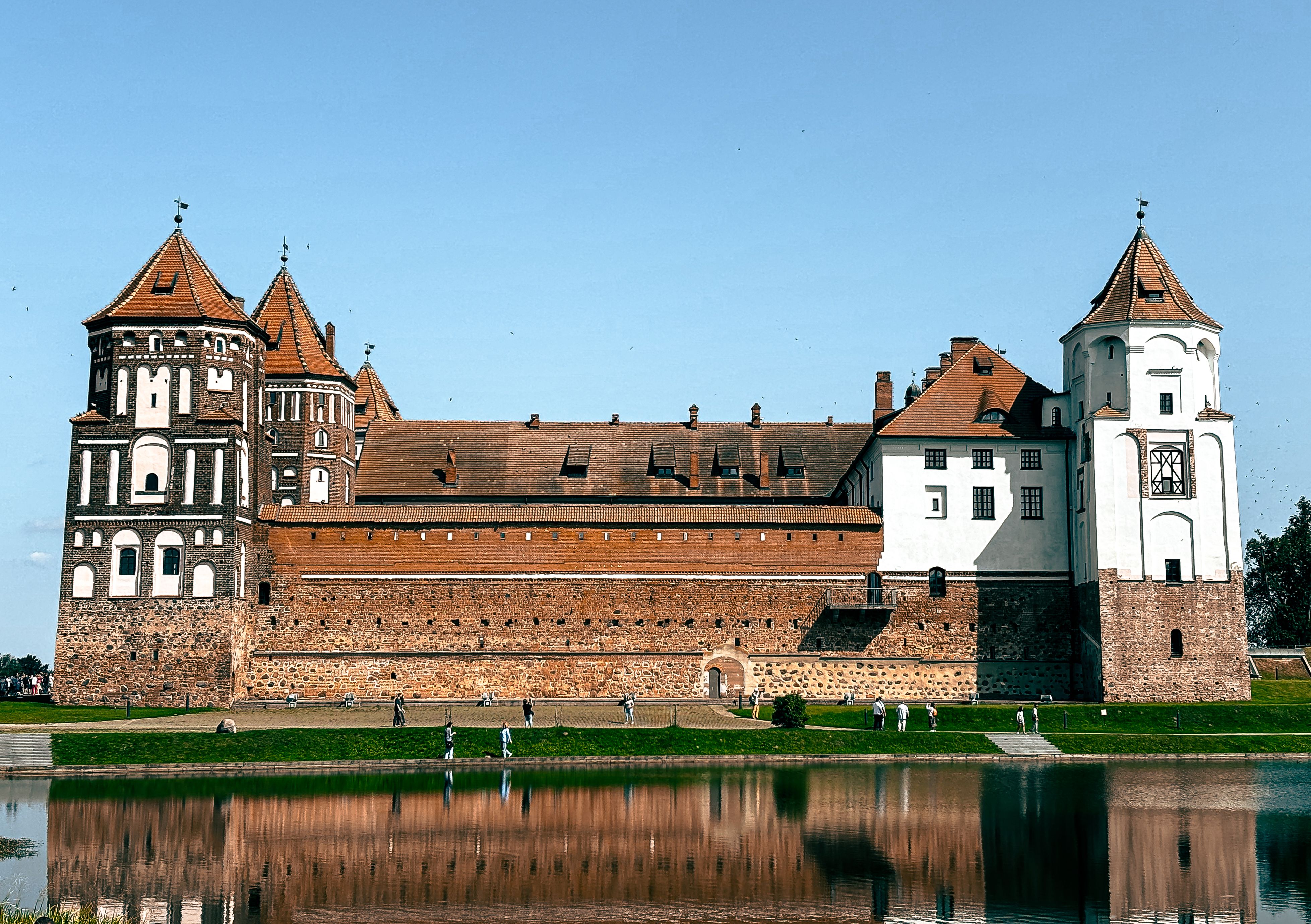
Lithuania is a dynamic and progressive country located in the Baltic region of Northern Europe. Known for its medieval architecture, nature, and growing reputation in tech and innovation, it offers international students a safe, modern, and affordable gateway to European education.
Key Facts
Everything you need to know at a glance.
Why Study in Study in Lithuania?
Discover the benefits of choosing this destination for your education.
Affordable Education
Affordable tuition and living costs compared to Western Europe.
Globally Recognized
Quality education based on the Bologna Process, recognized worldwide.
Innovation Hub
Growing tech hub, especially known as Europe's No.1 fintech licensing hub.
Pathway to Europe
Excellent post-study work opportunities across the EU.
Education System
Understanding the levels of education and grading system.
Levels of Education
Bachelor's Degree
3–4 yearsFirst Cycle (180–240 ECTS)
Master's Degree
1–2 yearsSecond Cycle (60–120 ECTS)
Doctorate (PhD)
3–4 yearsThird Cycle (Advanced Research)
Types of Institutions
Understanding the different types of universities available.
Universities
Focus on academic and research-oriented education (Bachelor's, Master's, PhD).
Colleges / Universities of Applied Sciences (UAS)
Emphasize practical and professional skills.
University-Specific Scholarships
Financial aid opportunities for international students.
Lithuanian State Scholarships
Full/partial tuition waiver + €490/month living stipend for full-time Master's students.
University-Specific Scholarships
Up to 100% tuition waivers based on merit (e.g., at Vytautas Magnus University).
Erasmus+ Scholarships
Monthly stipend (€800–€900/month) + travel allowance for joint degree programs.
Short-Term Studies Scholarships
€490/month + tuition waiver for 1-2 exchange semesters.
Research Grants & Assistantships
Monthly stipends or salaries for Master's/PhD students assisting in research projects.
Major Intakes
Admission cycles for international students.
Autumn Intake
Also called: Primary Intake (September)The main intake where the majority of Bachelor's, Master's, and PhD programs are available.
Spring Intake
Also called: Secondary Intake (February)Limited postgraduate and selected undergraduate courses available.
Top Universities
Ranked by QS World University Rankings 2025.
| Rank (QS 2025) | University | UG Fees / Year | PG Fees / Year | Popular Courses |
|---|---|---|---|---|
| 400–500 | Vilnius University | €2,000–€4,000 | €2,000–€4,000 | Medicine, Law, Life Sciences |
| 700–800 | Kaunas University of Technology | €2,500–€4,000 | €2,500–€4,000 | Engineering, IT, Business |
| 800–1000 | Vytautas Magnus University | €2,000–€3,500 | €2,000–€3,500 | Social Sciences, Arts, Biology |
| 900–1000 | Lithuanian Univ. of Health Sciences | €5,000–€12,000 | €5,000–€12,000 | Medicine, Dentistry, Pharmacy |
| 700–900 | Vilnius Gediminas Technical Univ. | €3,000–€4,500 | €3,000–€4,500 | Architecture, Civil Engg |
| - | ISM Univ. of Management & Econ. | €4,000–€7,000 | €4,000–€7,000 | MBA, Economics, Finance |
| - | Mykolas Romeris University | €2,000–€3,000 | €2,000–€3,000 | Law, Public Admin, Cyber |
| - | Klaipėda University | €2,000–€3,500 | €2,000–€3,500 | Marine Engg, Tourism, Arts |
| - | European Humanities University | €2,500–€3,500 | €2,500–€3,500 | Political Science, Media |
| - | LCC International University | €3,000–€5,000 | €3,000–€5,000 | Business, Psychology, IR |
Admission Requirements
What you need to apply to Lithuania Universities.
Application Portals
Apply via LAMA BPO (centralized for UG) or Direct University Portals (for PG/PhD).
Fall Timeline
Apply: Mar-May. Offers: May-Jul. Visa: Aug.
Spring Timeline
Apply: Sep-Oct. Offers: Nov-Dec. Visa: Jan.
Career Growth & Post-Study Work
High-demand sectors and Graduate Route Visa opportunities.
12-Month Job Search Permit
After graduation, students can apply for a TRP for up to 12 months to seek employment or start a business.
Information Technology (IT)
- Growth: Regional tech hub (cybersecurity, software)
- Top Employers: IT Outsourcing, Tech Startups
- Salary Range: €1,500 – €3,000/mo
Finance & Fintech
- Growth: Europe's No.1 Fintech licensing hub
- Top Employers: 250+ fintech companies
- Salary Range: €1,400 – €2,500/mo
Life Sciences & Biotech
- Growth: Fast-growing, government-backed
- Top Employers: Biotech Research Labs
- Salary Range: €1,200 – €2,000/mo
Engineering & Manufacturing
- Growth: Strong in precision engineering
- Top Employers: Automotive, Electronics
- Salary Range: €1,200 – €2,200/mo
Business & Management
- Growth: Consulting and HR roles
- Top Employers: Global Companies
- Salary Range: €1,000 – €1,800/mo
Permanent Residency (PR) Process
Lithuania provides a clear pathway for international graduates to achieve Permanent Residency and Citizenship.
Study TRP
Hold a valid Temporary Residence Permit (TRP) while studying.
Job Search TRP
Apply for a 12-month post-study TRP to find employment.
Work TRP
Convert to a work-based TRP (1-2 years, renewable) once employed.
Permanent Residency (5 Years)
Apply after 5 years of continuous legal residence. Requires A2 level Lithuanian and stable income.
Citizenship (10 Years)
Apply after 10 years of continuous residence. Requires passing a Lithuanian language and Constitution exam.
Types of Lithuania Visas
A quick overview of visas for international students.
| Visa Type | Purpose | Work Allowed? | Can Apply for PR? |
|---|---|---|---|
| TRP – Study | Long-term study | 20 hrs/week | 1 year (renewable) |
| TRP – Job Search | Post-study work search | Yes | 12 months |
| TRP – Employment | Full-time work | Full-time | 1–2 years (renewable) |
| National Visa (Type D) | Full-time study (initial) | 20 hrs/week | Up to 12 months |
| Startup Visa | Business setup | Yes | 1–3 years |
Frequent Answer Question
Quick Answers To Your Visa Queries
Book Your Consultation
Fill out the form below and our experts will get in touch with you shortly.